Welcome to Our Water Wastage Website
Home
Welcome to our Water Wastage website, a digital hub dedicated to the preservation of our planet's most precious resource – water. In a world where clean water is becoming increasingly scarce, our collective responsibility to protect it has never been more critical. On this platform, we are committed to raising awareness about water wastage, its root causes, the far-reaching consequences, and the actionable steps we can take to mitigate it.
Water is the lifeblood of our ecosystems and an indispensable part of our daily lives. Yet, it is often squandered through thoughtless habits, leaky infrastructure, and the excessive use of water-intensive products. Our goal is to empower you with knowledge, inspiring you to adopt water-conservation practices in your daily routine, home, and community. Explore the causes and effects of water wastage, discover innovative solutions, and join the growing movement of responsible water stewardship.
Section 2
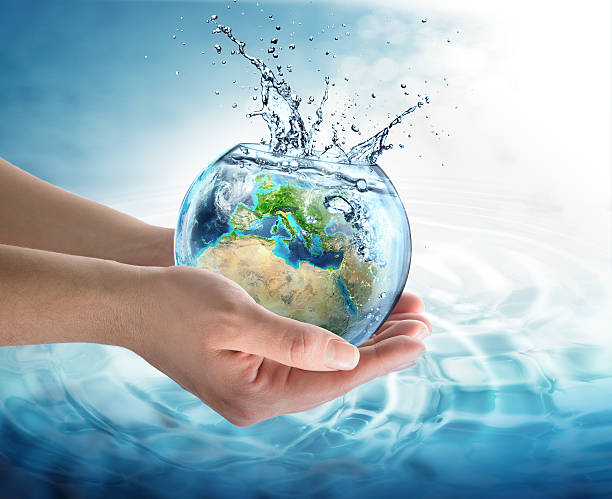
Water is a finite resource, essential for life, and yet, we often take it for granted. Every time we leave the faucet running while brushing our teeth or let a leaky tap go unfixed, we contribute to the alarming issue of water wastage. It's time to be more responsible and mindful of our water consumption.
The Earth's water supply is not unlimited. Wasting water not only harms the environment but also deprives future generations of this precious resource. By fixing leaks, using water-saving appliances, and practicing conservation, we can make a significant impact in reducing water wastage.
Imagine a world where clean, fresh water becomes a luxury only a few can afford. The sad reality is that we're headed in that direction if we don't address water wastage urgently. Let's pledge to use water wisely, as if our future depends on it – because it truly does.
Water is life's elixir, and yet, we squander it every day. From long showers to overwatering lawns, our careless actions drain this finite resource. Conserving water is not just an environmental responsibility; it's a moral obligation to ensure a sustainable future for all living beings.
Section 3
Water wastage not only strains our water supply but also increases energy consumption and the emission of greenhouse gases. By being more conscious of our water usage, we can reduce our carbon footprint and make a positive impact on the planet.
Each drop of water wasted is a drop less for someone in need. Around the world, millions suffer from water scarcity, while we let water flow away in our own homes. Let's show compassion by conserving water and using it wisely.
A single leaky faucet may seem inconsequential, but collectively, these small drips add up to a significant loss of water. Taking the time to repair leaks and adopting water-efficient practices can help us combat water wastage one drop at a time.
Section 4
In many parts of the world, droughts are becoming more frequent and severe. It's a stark reminder of the consequences of water wastage. By making small changes in our daily routines, we can help safeguard water resources for a more sustainable future.
Water is essential for agriculture, industry, and our daily lives. When we waste water, we not only increase the cost of these vital services but also strain the ecosystems that depend on a healthy water balance. Let's value every drop and use it wisely.
Water is a source of life, and it's time to treat it with the respect it deserves. Let's commit to reducing water wastage and conserving this precious resource for the well-being of our planet and all its inhabitants.
Causes of Water Wastage
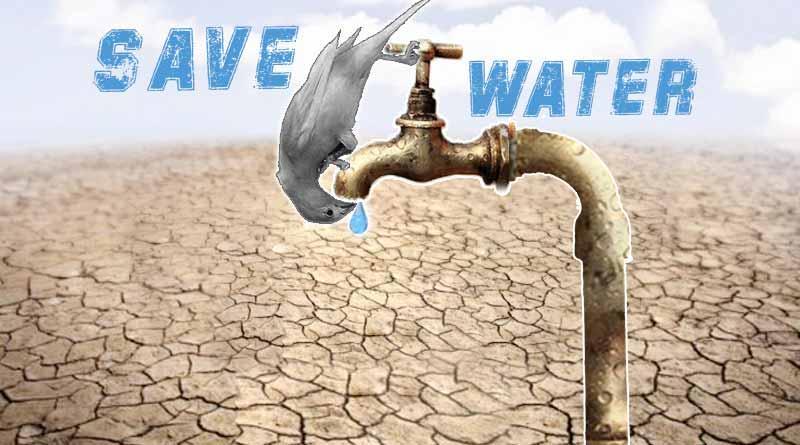
Water, the essence of life, is a finite and irreplaceable resource that sustains all living beings on our planet. However, the world is facing an ever-increasing challenge: the wastage of this precious commodity. While it may seem like water is abundant, the truth is that its availability is limited, and the causes of its wastage are manifold. From the smallest household leaks to large-scale industrial practices, the consequences of water wastage reverberate across ecosystems and human societies alike. In this discussion, we will delve into the various factors contributing to the squandering of this invaluable resource, emphasizing the urgency of taking action to preserve and protect our water for a sustainable future.
Water wastage occurs due to a combination of factors, including:
- Fixtures and Pipes: One of the most common causes of water wastage is leaky faucets, toilets, and pipes. Even a small leak can result in a significant amount of water being wasted over time.
- Excessive Water Use: Many people use more water than necessary for daily tasks, such as taking long showers, leaving the tap running while washing dishes, or overwatering lawns and gardens.
- Lack of Water-Efficient Appliances: Older, inefficient appliances like washing machines and dishwashers can consume more water than their modern, water-saving counterparts.
- Inefficient Agricultural Practices: In agriculture, outdated irrigation methods and inefficient water management can lead to the wastage of significant amounts of water.
- Industrial Water Wastage: Industries often use large quantities of water in their processes. Poor water management practices and inadequate recycling can lead to substantial water wastage in industrial settings.
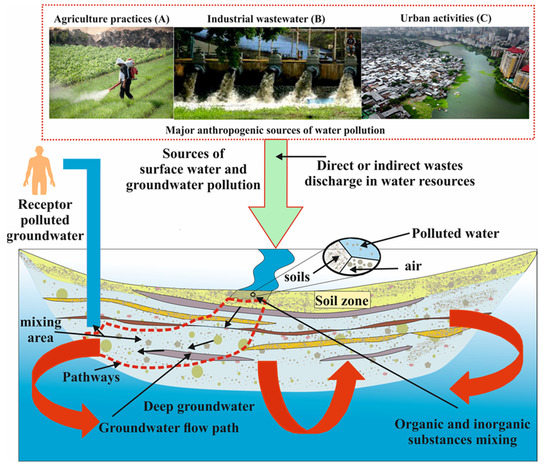
- Uncontrolled Runoff: During heavy rainfall, water runoff from streets and paved surfaces can carry pollutants into storm drains, causing water wastage as it cannot be effectively captured and reused.
- Unaddressed Water Leaks in Public Infrastructure: Aging water infrastructure in cities can lead to significant water losses through leaks and cracks in pipes, often going unnoticed for extended periods.
- Inadequate Water Conservation Education: Lack of awareness and education on the importance of water conservation can lead to wasteful habits and practices among the general population.
- Climate Change and Drought: Changes in climate patterns and prolonged droughts can exacerbate water scarcity and lead to increased water wastage as people try to compensate for the shortage.
- Water Pollution: Contaminated water sources are often wasted as they become unfit for consumption or other uses. Cleaning polluted water is resource-intensive and contributes to wastage.
- Lack of Water Recycling and Reuse: Insufficient infrastructure and reluctance to adopt water recycling and reuse practices can result in the wastage of water that could otherwise be put to secondary uses.
- Population Growth and Urbanization: The expanding global population and urbanization can put increased pressure on water resources, leading to wastage as water systems struggle to meet the growing demand.

Here are a few other factors that have been leading to water wastage all around the world:
Negligence & Theft: As much as 22 to 25 per cent water is wasted during transmission and distribution or due to theft. A survey was conducted by the Municipal Corporation which reveals that water is being used illegally at several locations with no checks in place. Amongst the biggest defaulters are:
Service Stations: Owners of Small Eating Joints. Illegal Establishments. While Theft of water remains a pressing issue, high negligence towards water wastage is not far behind. To list a few:
Most societies and buildings let overhead tanks are left overflowing every morning. The flow rate ranges from 400 to 650 L. Letting the overhead tank flow for even 5 minutes results in wasting 2000 to 3100 L. Many buildings have leaky and faulty pipelines. Even the distribution lines within cities have faulty plumbing. These are the reasons for constant wastage of water.
Flushing Systems:As unlikely as it may seem, this is a major cause in households, restaurants, multiplexes, offices etc. Flushing systems waste water in the following ways:
When disposing general waste, paper napkins and other bathroom waste via flushing, approximately 6 to 13 L of water is consumed. In other words, every time the toilet is used 6 to 13 L water is wasted.
Often due to faulty plumbing, there is leakage in the flush tank. This leads to automatic refilling of water and may also hear the sound of flushing. This may also be called Phantom Flushes.
Even today around 40% installments use older flushing systems. For every flush these systems consume 13.6 to 16 L of water.
Approximate water wasted per person per day= 13 L
Approximate water wasted per person per month= 390 L
Approximate water wasted per person per day= 4745 L
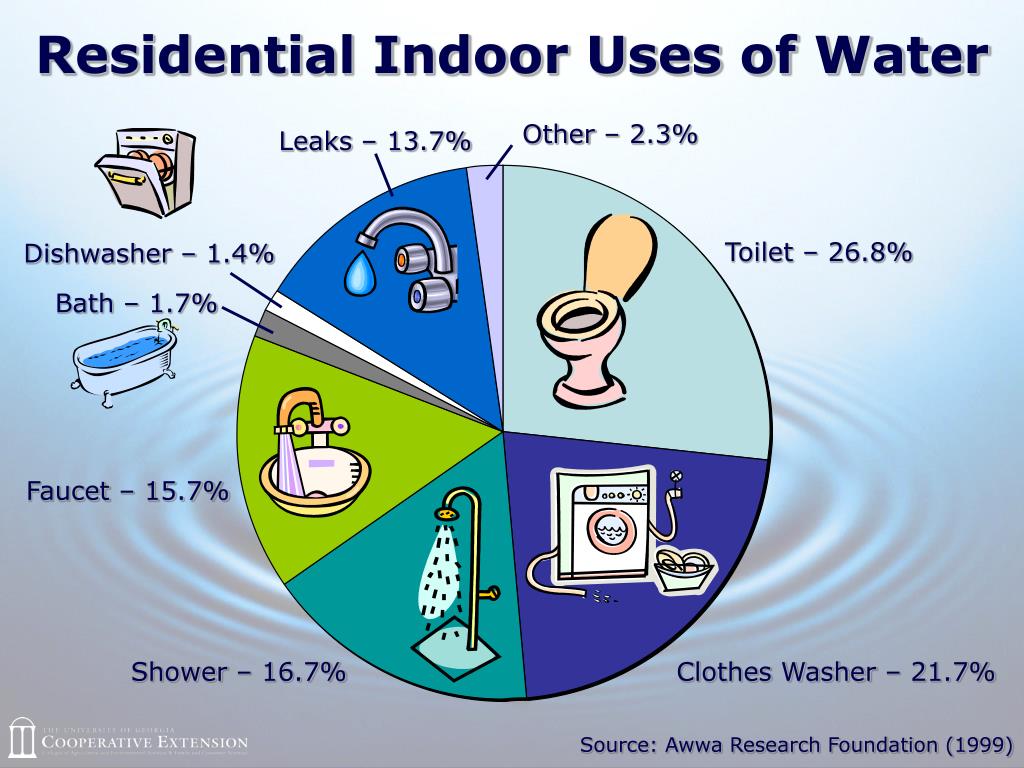
Understanding these causes is the first step in combating water wastage and promoting responsible water use.
Effects of Water Wastage
Water wastage can lead to a range of detrimental effects, including:
- Depletion of freshwater resources, impacting ecosystems and availability for human use.
- Reduced water quality, leading to health hazards and environmental pollution.
- Increased energy consumption for water treatment and transportation.
- Threats to biodiversity as aquatic habitats are affected by water scarcity.
Here are a few effects of water wastage in detail:
I. Environmental Effects of Water Wastage:Water is a precious natural resource that is essential for life on earth. However, the inefficient use and wastage of water have several adverse environmental effects. Water scarcity and depletion of natural resources, effects on biodiversity and aquatic life, and contribution to climate change and global warming are some of the significant environmental effects of water wastage.
- Water scarcity and depletion of natural resources:Water is a finite resource, and wastage leads to water scarcity, which can have severe environmental consequences. In arid and semi-arid regions, water wastage can deplete the already scarce water resources, leading to desertification, soil erosion, and loss of vegetation. The depletion of natural resources due to water wastage can also impact the availability of water for agriculture and other human activities, leading to reduced food production and economic instability.
- Effects on biodiversity and aquatic life:Water wastage can have severe impacts on aquatic ecosystems and biodiversity. The reduction of water availability due to wastage can lead to a decline in aquatic habitats, endangering the survival of aquatic life. Additionally, the contamination of water sources due to wastewater and chemical pollutants can have severe health impacts on aquatic life and even humans who rely on these water sources.
- Contribution to climate change and global warming:Water wastage also has significant impacts on climate change and global warming. Wastewater treatment and distribution require a significant amount of energy, leading to increased greenhouse gas emissions. Furthermore, the depletion of water resources due to wastage can also lead to the reduction of carbon sequestration in forests and other vegetation, which can worsen the effects of climate change.
II. Economic Effects of Water Wastage:
- Increased water bills and costs:When water is wasted, it leads to increased demand for water, which can lead to higher water bills for households and businesses. Water utilities may also have to spend more on infrastructure and maintenance to meet the demand for water. This, in turn, can lead to higher taxes or fees for water usage, affecting the cost of living for individuals and businesses.
- Loss of revenue for businesses:Water is a critical input for many businesses, including agriculture, food processing, and manufacturing. When water is wasted, businesses may experience a shortage of water supply, which can affect their production capacity and profitability. This can lead to reduced revenues, loss of jobs, and, in extreme cases, business closure.
- Impact on agricultural production and food prices:Agriculture is one of the most water-intensive economic activities, and water wastage can have a significant impact on crop yields and quality. When water is wasted, farmers may experience a shortage of water supply, leading to reduced crop production, lower quality produce, and increased production costs. This, in turn, can lead to higher food prices for consumers, especially in regions heavily dependent on agriculture.

III. Social Effects of Water Wastage:
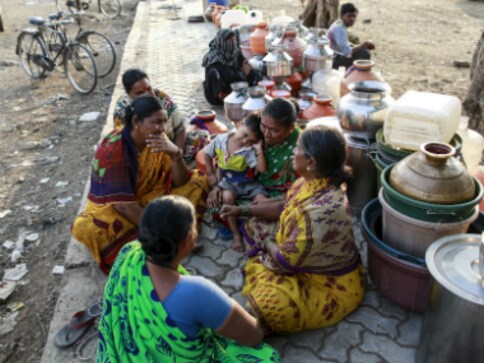
- Inequitable distribution of water resources:One of the most significant social effects of water wastage is the inequitable distribution of water resources. In many parts of the world, access to clean and safe water is not evenly distributed, and people living in rural or poor urban areas often face water scarcity and poor water quality. When water is wasted, it exacerbates the water scarcity problem and reduces the availability of water for those who need it the most. This, in turn, increases the burden on vulnerable communities, especially women and girls, who have to travel long distances to fetch water.
- Health risks and diseases caused by water contamination:Water wastage also poses health risks and diseases caused by water contamination. When water is wasted, it can lead to the accumulation of stagnant water, which becomes a breeding ground for mosquitoes and other disease-causing organisms. This can increase the risk of waterborne diseases such as cholera, typhoid, and diarrhea, which disproportionately affect vulnerable communities with limited access to healthcare.
- Impact on access to education and employment opportunities:Furthermore, water wastage can impact access to education and employment opportunities. Children and women are often responsible for fetching water in households where water is scarce. This takes away valuable time that could be used for education or income-generating activities, affecting their future opportunities. Similarly, businesses and industries that rely on water for their operations may face operational challenges or even closure due to water scarcity or poor water quality.
The Below Is The Water Usage Graph:
Water Usage Graph
Understanding these effects highlights the urgency of addressing water wastage and promoting sustainable water management.
Solutions to Water Wastage
To address water wastage, consider implementing the following solutions:
- Fixing leaky pipes and upgrading water infrastructure to reduce distribution losses.
- Promoting water-efficient irrigation techniques in agriculture.
- Encouraging responsible water use in households by fixing leaks, installing efficient appliances, and minimizing waste.
- Implementing water-saving practices in industrial processes and improving water recycling.
By adopting simple water conservation techniques, we can reduce water wastage and promote sustainable use of water resources. In this article, we will explore some of the ways to reduce water wastage.
- Install water-efficient appliances:Replace old and inefficient appliances such as toilets, showerheads, and washing machines with water-efficient ones that use less water. This can save significant amounts of water and reduce water bills.
- Collect and reuse water:Collect and reuse water for non-potable uses such as gardening, cleaning, and flushing toilets. This can reduce the demand for freshwater and save water.
- Practice water-efficient habits:Simple habits such as turning off the tap while brushing teeth, taking shorter showers, and using a bucket instead of a hose to wash cars can save significant amounts of water.
- Landscaping:Use water-efficient landscaping techniques such as planting native species that require less water, mulching, and reducing lawn areas. This can save significant amounts of water in landscaping.
- Educate others:Educate others about the importance of water conservation and ways to reduce water wastage. Encourage them to adopt water-efficient practices and become responsible water users.

In conclusion, reducing water wastage requires collective efforts and conscious choices by individuals, communities, and governments. By adopting simple water conservation techniques, we can promote sustainable use of water resources and ensure their availability for future generations.
In conclusion, water is a precious resource, and its wastage can have significant impacts on the environment, economy, and society. Water wastage exacerbates water scarcity, contributes to the degradation of ecosystems, and leads to increased costs for households and businesses. Moreover, it has severe social effects, including inequitable distribution of water resources, health risks and diseases caused by water contamination, and impact on access to education and employment opportunities.
To mitigate the effects of water wastage, it is crucial to promote sustainable use of water resources through conservation, efficient usage, and sound management practices. This requires collective efforts and cooperation between individuals, communities, and governments to ensure equitable distribution of water resources, promote hygiene and sanitation, and reduce water wastage. By adopting simple water conservation techniques and becoming responsible water users, we can help conserve water and ensure its availability for future generations. It is time for us to take action and contribute to a sustainable future where water resources are protected, conserved, and utilized efficiently.
Finally before we conclude here a few things that you should remeber about water:
- Water wastage leads to a scarcity of clean water resources, which affects both humans and the environment.
- Overuse of water can lead to increased energy consumption, as more energy is required to treat and transport water to meet the growing demand.
- Wastewater pollution can cause significant harm to aquatic ecosystems and the species that depend on them for survival.
- In arid regions, water scarcity can lead to conflicts and hinder economic development, as industries and agriculture rely heavily on water.
- Adopting water-efficient practices and technologies can significantly reduce water wastage and save money in the long run.
By adopting these solutions, we can work towards a more sustainable and responsible use of water resources.
Contact Us
Feel free to get in touch with us using the following contact information:
- Email: harshraj235@lpu.in
- Phone: +91-8210133696
- Address:BH-5,lovely professional university,Phagwara,Punjab India
You can also use the contact form below to send us a message:


Thank you for contacting us!
Your message has been received.
We will get back to you as soon as possible.
Return to Home
Comments
Post a Comment